
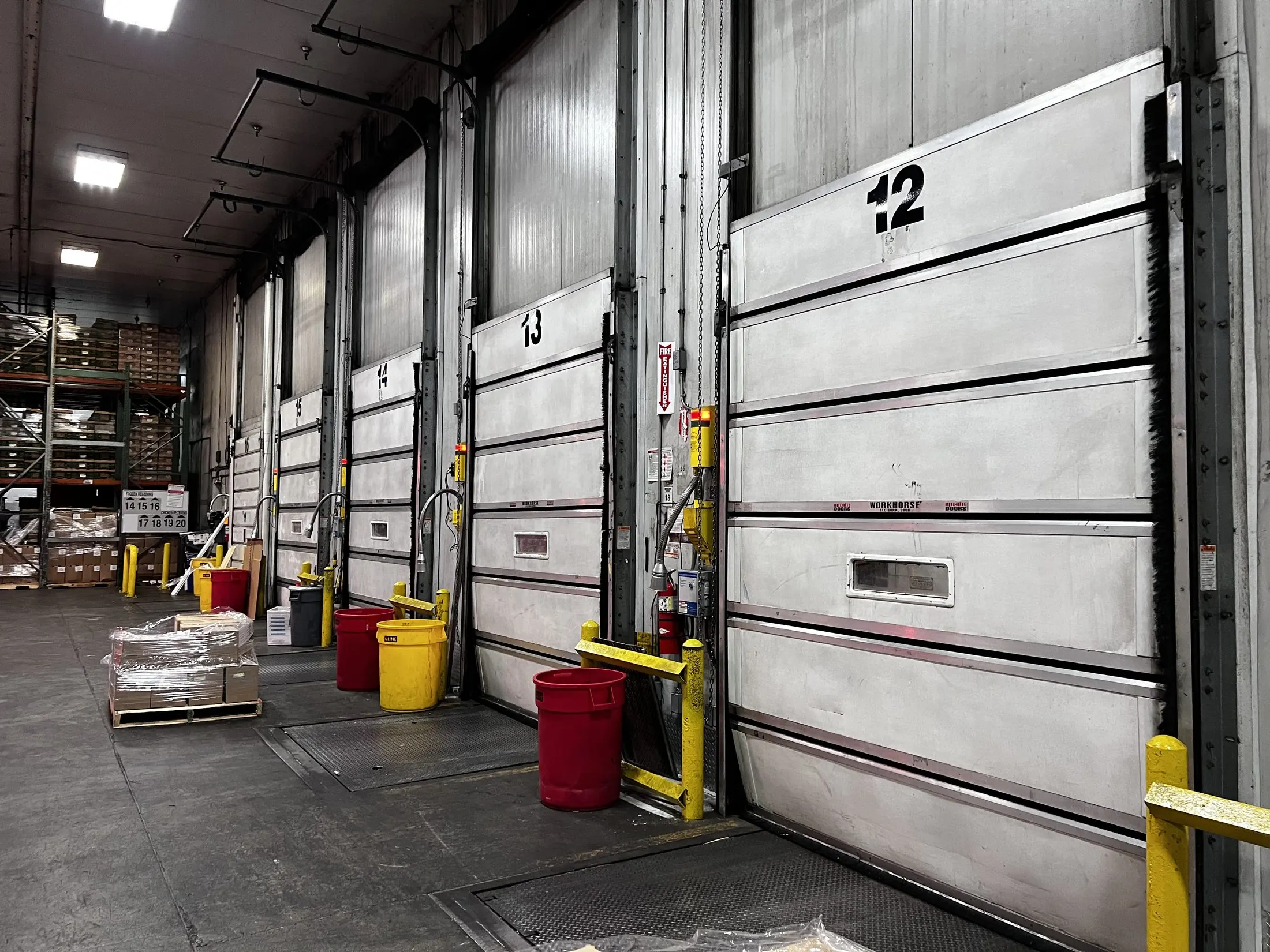
A lot of facilities make the same mistake when something breaks: they look for the fastest name, not the best fit.
That is understandable, but it is still a mistake.
The wrong vendor can waste time, misread the category, respond poorly to the actual operating environment, or create a string of repeat problems that should have been avoided in the first place.
The right question is not just, “Who can come out?”
The right question is, “Who is the right fit for this exact service need?”
Start with the actual category
One of the easiest ways to choose badly is to stay vague.
“Door issue,” “dock issue,” or “gate problem” is not enough by itself.
The first step is getting clearer on the likely category:
- commercial overhead door repair
- industrial door repair
- high-speed door repair
- dock leveler repair
- broader loading dock repair
- commercial gate repair
Category clarity matters because not every vendor is equally strong across all of these.
Do not treat all commercial environments the same
The right vendor for a lighter-use property may not be the right fit for:
- a warehouse
- a distribution facility
- a cold storage operation
- a manufacturing site
- a higher-pressure industrial environment
Operating context matters. The same equipment problem can carry very different consequences depending on the facility.
Look at response quality, not just availability
A vendor being willing to take the call does not prove they are the right fit.
What matters is:
- responsiveness
- clarity
- category fit
- ability to deal with the real operating environment
- likelihood of solving the issue correctly instead of dragging it out
Fast answers are good. Poor fit with fast answers is not.
Watch for signs of weak fit
Warning signs include:
- vague understanding of the category
- poor communication early
- no confidence around the operating environment
- slow or disorganized follow-up
- treating every issue like the same problem
- pushing generic answers before understanding the need
Weak fit usually shows up before the work starts if you pay attention.
Think beyond the immediate repair
A facility should not only ask:
Can this vendor handle this issue?
It should also ask:
- Are they a fit for the environment?
- Are they likely to be reliable if this comes up again?
- Will this relationship make future service easier or harder?
- If the current vendor is weak, is it time to replace them?
The best vendor decision is often a continuity decision, not just a one-issue decision.
Why PrimeSite exists in this process
PrimeSite helps commercial and industrial facilities get to the right vendor path without pretending to be the contractor.
That means helping clarify:
- the category
- the facility context
- the urgency
- the likely fit required
The goal is not random quote collection. The goal is better vendor fit.
A better standard for choosing
Choose the vendor path that is strongest on:
- category fit
- facility fit
- responsiveness
- operational credibility
- likelihood of reducing repeat problems
That is a better standard than “first name I found.”