
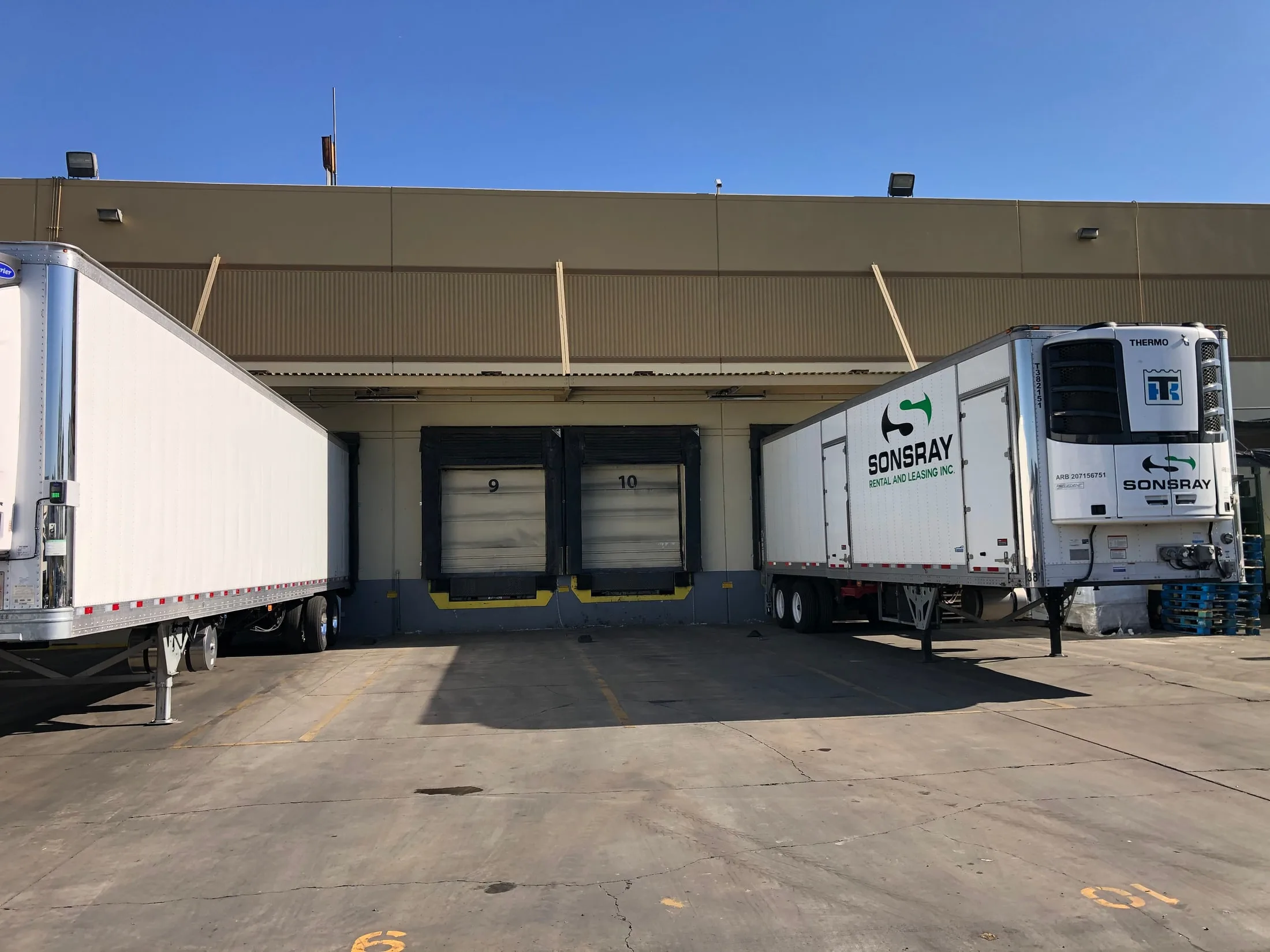
A loading dock problem can take a bay out of service, interrupt shipping or receiving, and change the way forklifts, trailers, and employees move through the facility. In Los Angeles County—where warehouses, food distribution, manufacturing, cold storage, and freight operations run on tight schedules—the practical cost often begins with lost dock capacity before a repair price is even known.
This guide explains what loading dock repair can include, the equipment problems facility teams commonly encounter, what makes a condition urgent, which details affect cost, and what to document before requesting service.
Why loading dock repair matters in Los Angeles County
Los Angeles County supports one of the country's most active freight and logistics networks. Facilities in Long Beach, Carson, Vernon, Commerce, the City of Industry, the South Bay, the San Fernando Valley, and surrounding industrial markets rely on loading bays to keep inbound materials and outbound orders moving.
The Port of Los Angeles reported 10.2 million twenty-foot equivalent units of container volume in 2025. That scale does not mean every facility operates like a marine terminal, but it does help explain why dock availability, trailer flow, and warehouse throughput matter throughout the region.
A failed bay can create trailer rescheduling, forklift detours, congestion at the remaining doors, temperature exposure, or pressure to use a workaround. The right response starts by identifying whether the problem is limited to one component or affects the wider loading-dock system.

What can loading dock repair include?
Loading dock repair is a broader category than dock leveler repair. The bay may contain several mechanical, hydraulic, electrical, structural, and environmental components that work together. Depending on the facility, the service need may involve:
- Mechanical, hydraulic, air-powered, vertical-storing, or edge-of-dock levelers
- Vehicle restraints, dock locks, communication lights, controls, and sensors
- Dock bumpers, curb angles, welds, and mounting hardware
- Dock seals, shelters, weather seals, and related enclosure materials
- Dock doors, tracks, panels, operators, controls, and safety devices
- Dock lifts, scissor lifts, or other specialized material-handling equipment
- The loading-dock pit, drainage, concrete edges, and surrounding structure
Review broader loading dock repair support
A request described only as “the dock is broken” can be difficult to route. Naming the affected component—or providing photos when the component is unknown—helps distinguish a leveler problem from a restraint, door, seal, structural, or electrical issue.
Common loading dock equipment problems
The visible symptom may point toward the equipment category without proving the exact failed part. Common loading-dock repair needs include:
- A dock leveler that will not raise, lower, return to stored position, or extend its lip correctly
- Hydraulic fluid leaks, damaged hoses, slow movement, drifting, or an unresponsive power unit
- Mechanical leveler problems involving springs, hold-down assemblies, chains, latches, links, or worn pivot points
- A deck or lip that moves unevenly, binds, makes unusual noise, or does not sit correctly on the trailer bed
- Vehicle restraints that will not engage or release, or controls and communication lights that give inconsistent status
- Dock bumpers that are worn through, loose, missing, or no longer protecting the dock face
- Torn dock seals or shelters that leave gaps around trailers and affect weather, pest, or temperature control
- Cracked concrete, damaged curb angles, failed welds, standing water, or debris in the pit
- Dock-door damage that prevents reliable opening, closing, sealing, or safe movement
Some conditions overlap. Repeated trailer impact can damage bumpers, anchors, concrete, seals, and the leveler area. A door problem may appear to be the primary issue while a misaligned track, damaged dock face, or impact event affects several components around the same bay.
What to do when a loading bay fails
Treat the first response as an operating-control decision, not a repair experiment. OSHA's warehousing guidance identifies loading-dock edges, dockboards, trailer movement, and forklift activity as important hazards. If the equipment condition is uncertain, protect the area before trying to recover throughput.
A practical response usually includes:
- Stop using the affected bay when the leveler, restraint, door, or surrounding structure may be unsafe
- Block or clearly isolate exposed edges, pits, and traffic paths
- Prevent a trailer from entering, leaving, or being loaded until the bay status is understood
- Reroute forklift and pedestrian traffic to a usable bay without creating a new congestion hazard
- Do not enter the pit or work beneath a raised leveler without the correct trained procedure and approved support equipment
- Do not bypass controls, restraints, interlocks, warning lights, or safety devices to keep the bay moving
- Photograph the full bay and the visible condition before debris is moved or equipment is reset
Manufacturer guidance commonly reserves repair and maintenance work for trained and authorized personnel. A leveler deck is heavy equipment with stored mechanical or hydraulic energy, so an improvised attempt underneath it can create more risk than the original failure.
How urgent is the loading dock repair?
Urgency should reflect the condition and the operational consequences. A loading dock issue warrants faster attention when:
- The deck, lip, restraint, door, or other component moves unpredictably or appears structurally damaged
- Hydraulic fluid is leaking or electrical components show damage, heat, odor, or intermittent operation
- A trailer cannot be held or communicated with as intended during loading
- The bay has an exposed edge, open pit, failed barrier, or uncontrolled traffic path
- The facility has lost a critical shipping, receiving, production, or temperature-controlled position
- Impact damage affects bumpers, anchors, concrete, welds, the dock face, or more than one piece of equipment
- Employees have started using boards, blocks, manual forcing, or other informal workarounds
- The problem is recurring or getting worse between service visits
A facility with several available bays may be able to reroute work temporarily. That can reduce the immediate operating pressure, but it does not make an unsafe or damaged position suitable for continued use.
What affects loading dock repair cost in Los Angeles?
A reliable loading dock repair price requires information about the equipment and failure. Cost can vary substantially between replacing a worn bumper, correcting a seal problem, repairing a hydraulic system, rebuilding mechanical components, addressing impact damage, or replacing an obsolete leveler.
The main variables usually include:
- The affected equipment category, manufacturer, model, age, capacity, and size
- Mechanical, hydraulic, pneumatic, electrical, control, or structural scope
- The failed parts and whether compatible replacements are stocked or must be ordered
- Damage to concrete, embedded steel, curb angles, welds, anchors, or the dock pit
- Working access, pit condition, required lifting or support equipment, and traffic control
- Facility rules involving badging, escorts, safety orientation, shutdowns, or restricted hours
- Urgency, after-hours requirements, and the availability of alternate bays
- Whether several components should be handled together or the equipment should be replaced
This is why broad online price ranges are usually weak guidance. A useful estimate follows a clear equipment description and enough inspection detail to understand the actual scope.
Repair or replace the loading dock equipment?
Repair is often reasonable when the failure is localized, the equipment remains structurally sound, compatible parts are available, and the repaired unit still matches the facility's load, traffic, and operating needs.
Replacement becomes more likely when the deck or frame is structurally damaged, corrosion or fatigue is widespread, major components are obsolete, impact has moved embedded or structural elements, failures keep returning, or the existing equipment no longer fits current trailers and operating conditions.
The decision should include downtime and repeat-failure risk. An older unit can remain technically repairable while creating an expensive pattern of unavailable bays, parts delays, and repeated calls. Conversely, equipment should not be replaced simply because one serviceable component failed.
Dock leveler, dock plate, or dockboard?
These terms are sometimes used interchangeably in a service request, but they describe different equipment. A dock leveler is generally installed at the bay and bridges the height difference between the building and trailer. Common types include mechanical, hydraulic, air-powered, vertical-storing, and edge-of-dock designs.
Dock plates and dockboards are portable or movable bridging devices used for particular loads and applications. OSHA's dockboard standard addresses intended load, run-off protection, secure positioning, trailer movement, and handling provisions. Identifying which product is actually at the site matters because the inspection, rating, parts, and repair path may be different.
When maintenance may matter more than another isolated repair
Repair addresses a current failure. Planned maintenance is worth considering when several bays show similar wear, equipment cycles heavily, debris or drainage repeatedly affects pits, bumpers and seals wear faster than expected, or the same leveler keeps returning to service with another problem.
Manufacturer maintenance guidance commonly includes cleaning, lubrication, adjustment, operational testing, inspection, and written documentation. The interval should follow the equipment manual, usage, operating environment, and qualified service recommendation rather than a generic schedule copied across every dock.
A documented equipment list and service history can also make budgeting and repair-versus-replacement decisions more defensible across a multi-bay facility.
What to document before requesting loading dock service
A detailed request helps establish the equipment category, likely parts, access needs, and real operating priority. Gather what is available without entering a hazardous area:
- Facility address, site contact, access instructions, and the affected bay number
- Equipment type, manufacturer, model, serial number, rated capacity, and approximate age
- Photos of the full bay, equipment label, control panel, visible damage, pit area, and dock face
- A short video when movement, sound, lights, or intermittent behavior is important and can be recorded safely
- What the equipment does or does not do, and what happened immediately before the problem
- Whether a trailer is present and whether the leveler, restraint, or door is deployed or stored
- Known impact, fluid leakage, damaged concrete, previous repairs, or repeat-failure history
- The number of usable alternate bays and the effect on shipping, receiving, cold chain, or production
- Acceptable service windows, escorts, safety requirements, and any procurement-platform requirements
Even when the equipment label is unreadable, wide and close photographs can help distinguish the dock type and prepare better questions before the site visit.
Los Angeles facility context worth including
A grocery or refrigerated distribution facility near Vernon, a logistics building in Carson, a manufacturer in the City of Industry, and a warehouse in the San Fernando Valley may all search for loading dock repair in Los Angeles, but their operating conditions are not interchangeable.
Include the facility type, freight pattern, number of shifts, trailer mix, typical loads, leveler cycles, temperature or sanitation concerns, yard constraints, and any restricted access. Those details can change the urgency, equipment fit, scheduling, parts preparation, and whether several dock components should be evaluated together.