
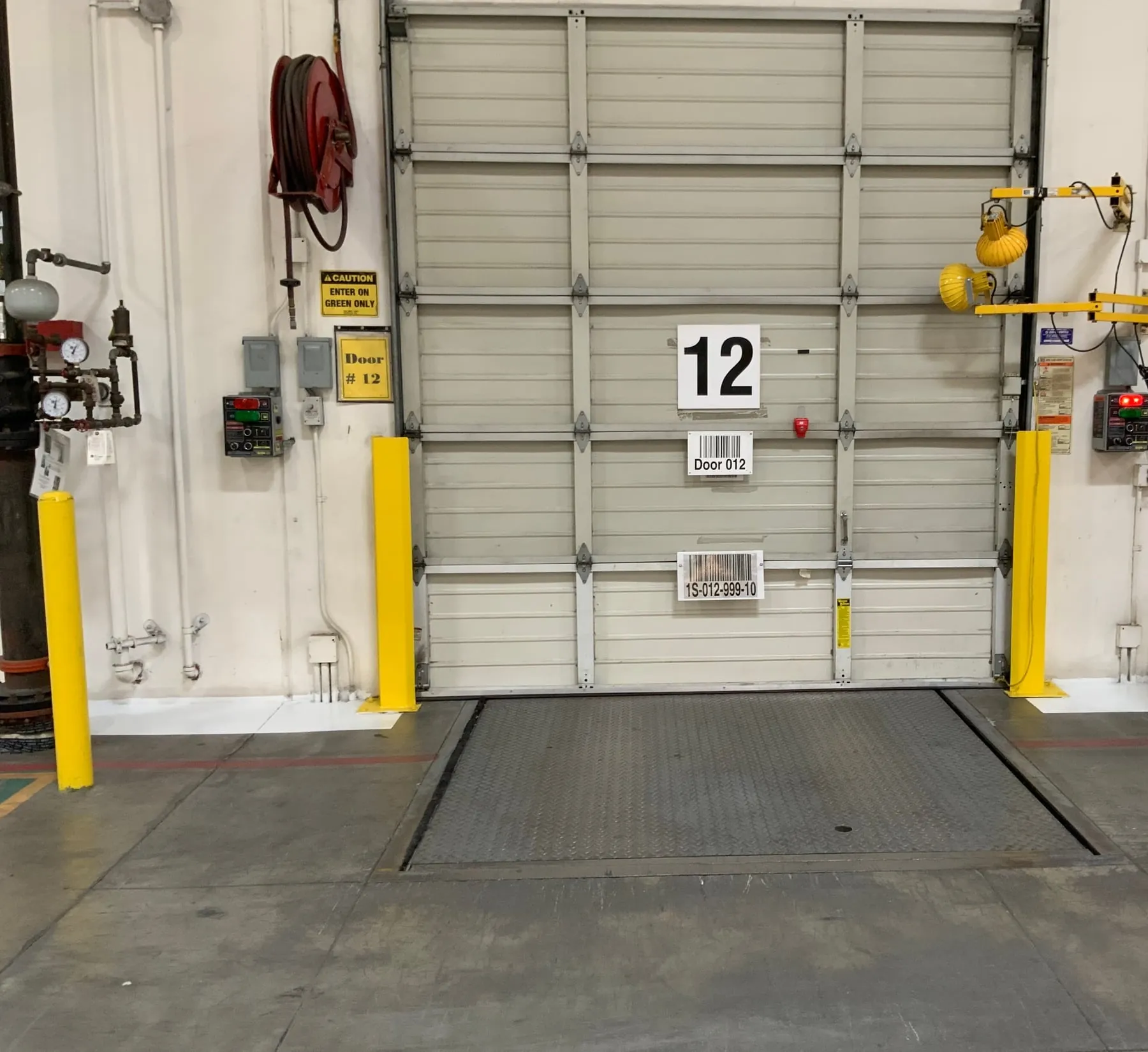
An upcoming facility audit has a way of bringing overdue repairs into focus. A worn sweep beneath a pedestrian door, daylight along the edge of an overhead door, or a damaged seal near a loading dock can quickly move to the top of the maintenance list.
For food and beverage manufacturers, food warehouses, and distribution facilities, those openings matter. Gaps can create pathways for dust, insects, rodents, and other unwanted material to enter areas where products, ingredients, or packaging are stored and handled.
Door and dock sealing is a practical part of audit preparation. The goal is to identify problem openings, complete the appropriate repairs, and give the facility team a clear record of what was addressed.
Why doors and docks deserve attention before an audit
Exterior openings are part of a facility's protection against the outside environment. A door may still open and close while its seals have stopped making effective contact. A pedestrian door may appear closed from across the room but leave a gap beneath the sweep. A loading bay may have several openings to evaluate: the overhead door, the dock leveler perimeter, and the interface between the building and a parked trailer.
SQF addresses these concerns directly. The Edition 9 Food Manufacturing Code includes requirements for effectively sealing exterior openings when closed, protecting personnel entrances against pest entry, and maintaining protection at loading dock openings. The applicable requirements depend on the facility's code and scope. That makes a door-and-dock review a useful part of broader audit preparation.
Daylight through a gap is a useful warning sign
One of the easiest problems to recognize is light coming through an unintended gap around a closed door. It might appear as a narrow line beneath a pedestrian door, a bright spot at the bottom corner of an overhead door, or an opening where a worn perimeter seal no longer reaches the surface it should contact.
These observations help identify where closer evaluation is needed. They also make it easier to describe a deficiency and document its location. The objective, though, is effective sealing. A material that blocks light may still be unsuitable for the opening or the pest-exclusion need. The condition of the door, its movement, the contact surfaces, and the selected sealing material all matter.
A gap-free appearance by itself does not establish that a facility will pass an audit. Door and dock repairs support the facility's wider food safety and maintenance program.

What to include in a door-and-dock walkthrough
Follow a consistent route and identify each opening by its door number, bay number, or a clear location description. Include entrances used infrequently; they can be easy to overlook during daily operations. Review doors in their normal closed position as well as the protection provided during active loading.
Overhead and roll-up doors
Review the bottom edge, both sides, upper corners, and header area with the door in its normal closed position. Look for damaged or missing seals, uneven contact at the floor, loose retainers, visible openings at corners, and damage that prevents the door from closing properly.
Ask whether the problem comes from the sealing material, the door itself, the surrounding surfaces, or a combination. Replacing a seal may address one opening, while another requires an adjustment or repair before a new seal can work effectively.

Pedestrian and personnel doors
Walk-through doors deserve the same attention as loading dock doors. Review the bottom sweep, threshold, perimeter seals, frame corners, and meeting edges on paired doors. Observe whether the door closes and latches as intended during normal use.
A worn sweep may be obvious. A door that drags, stays slightly open, or does not consistently latch can be less noticeable but still leave an opening. The proposed correction should account for the door's operation as well as the visible gap.
Dock levelers and surrounding openings
At loading bays, include the accessible perimeter around the dock leveler and the surrounding dock opening. Document visible gaps, damaged sealing material, and areas where the existing seal is missing or no longer making contact. Identify the equipment and its normal position so the service scope reflects how the bay operates.
Any evaluation requiring access beneath a leveler or into its operating components belongs in the planned service work, rather than an informal facility walkthrough.

Dock seals and shelters
The overhead door's perimeter seal and the exterior dock seal or shelter protect different parts of the opening. Where the facility uses dock seals or shelters, review their condition and how they meet the trailers that actually use the bay.
Torn material, damaged sections, or poor contact may need attention even when the overhead door seals well while closed. Consider both conditions: the bay when closed and the protection provided during loading and unloading.
What sealing and corrective work can involve
The work should follow the condition of each opening. Some locations need a straightforward replacement; others need several corrections before the gap is resolved. Common work includes:
- Removing damaged or deteriorated sealing material
- Replacing worn brush seals, bottom seals, or door sweeps
- Installing suitable seals where material is missing
- Repairing or replacing damaged retainers and mounting components
- Addressing door alignment or closing problems that interfere with seal contact
- Correcting gaps around dock equipment with equipment-specific solutions
Brush seals can be part of the solution, but they are not interchangeable with every other seal. Selection should account for the gap, door movement, exposure, cleaning conditions, and intended exclusion purpose. The completed opening should still function properly; added material must not interfere with normal operation.

A walkthrough and quote—or a visit prepared for corrective work
Facilities often approach audit preparation in one of two ways. The first is an assessment visit: review the openings, document deficiencies, and prepare a quote so the customer can approve the scope, budget, and schedule. This works well when several departments need to review the findings or some repairs may require specialized parts.
The second is a visit prepared to complete approved corrective work. When priorities and authorization are established beforehand, bringing appropriate brush seals, sweeps, and other materials can allow suitable repairs to be completed during the visit. That can help when the audit timeline is short and the facility already knows that damaged or missing seals need attention.
Photos, approximate opening dimensions, equipment information, and a description of known gaps help determine what materials and access arrangements are likely to be needed. Items requiring additional parts or a different repair scope can then be identified and documented.
What to document for the facility record
A simple record helps maintenance, operations, and quality teams stay aligned. For each affected opening, record:
- The door or dock location and observed deficiency
- A clear photograph showing the opening or damaged material
- The repair or replacement completed
- A photograph of the corrected area
- Any remaining work or follow-up requirement
Photos are most useful when they show the same area from a similar angle, with the door or equipment in a comparable position. After the work, check the opening through its normal operation and confirm that the sealing material remains correctly positioned. Describe any unresolved condition clearly.
How early should audit preparation begin?
Begin as soon as the audit window or inspection timeline is known. Some sealing work can be straightforward. Other deficiencies may involve damaged doors, uneven contact surfaces, specialized materials, or components that need to be ordered. Facility access, loading schedules, sanitation requirements, and purchasing approvals can also affect timing.
An early walkthrough distinguishes readily correctable items from work requiring more planning. For a Los Angeles County facility with multiple shifts or busy receiving operations, identify when each opening can be made available so the work fits around production and distribution activity.
Keep the review going between audits
Audit preparation becomes more manageable when door and dock conditions are checked during routine facility reviews. Seals wear, doors experience impacts, and sweeps loosen. Daily use can introduce gaps that were not present after the previous repair.
A recurring review can help identify those changes before they become urgent. The facility can choose its inspection frequency based on usage, past deficiencies, pest-management observations, and maintenance needs. Consistent door identification and service records also make repeat problems easier to recognize.